How AI-Powered Smart Tag Ecosystems Are Consolidating Item Tracking, Luggage Management, and Lost-Property Recovery Into a Single App Layer
Robert Kim
09/21/2026
4 min read
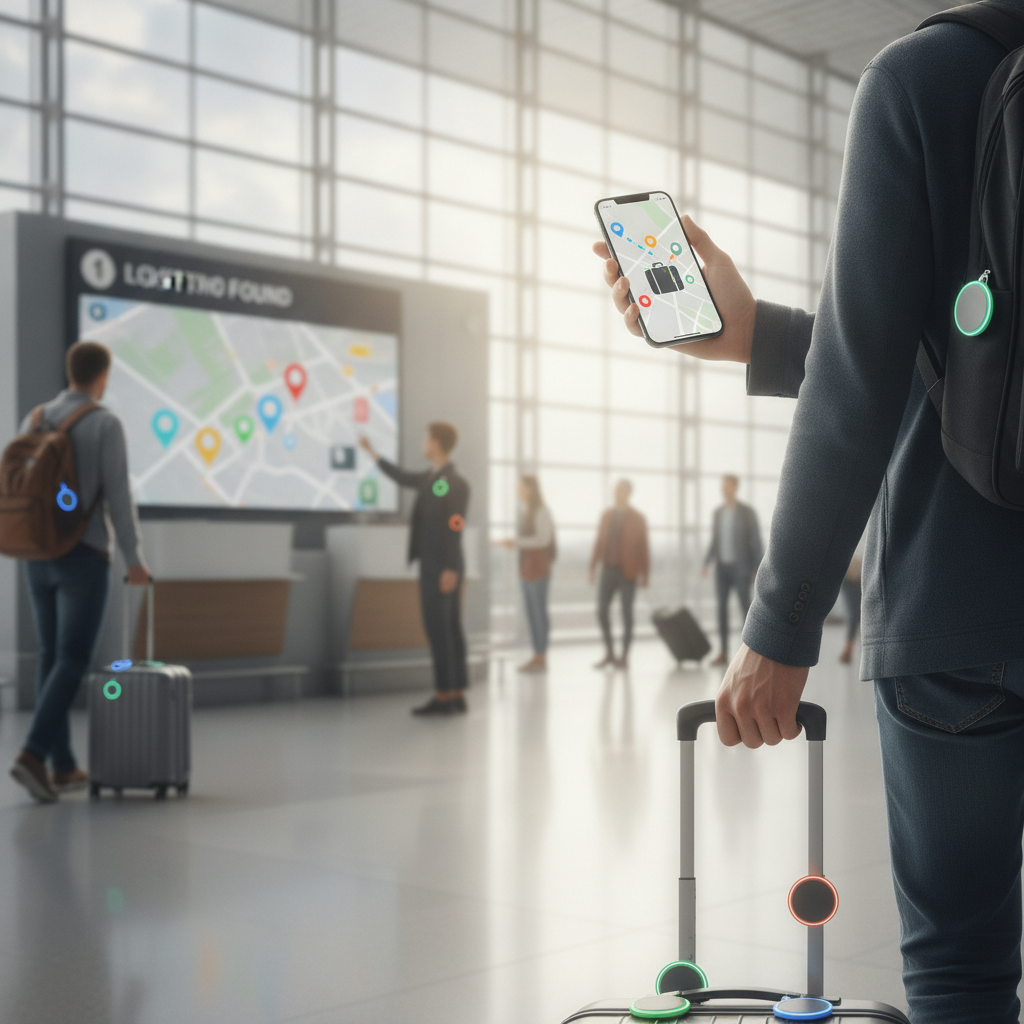
Item tracking technology has matured far beyond the simple Bluetooth beacons that first appeared on keychains and laptop bags. What began as a fragmented collection of single-purpose tags and disconnected apps has evolved into something considerably more coherent: unified ecosystems that handle everything from carry-on luggage to everyday belongings through a single, intelligent interface. For travelers especially, this shift is reordering how lost items get found, how bags are monitored through airports, and how the entire category of personal property management is handled on the move.
When Separate Tools Started Talking to Each Other
For years, travelers juggled multiple tracking apps depending on which brand's tags they owned. A Tile tracker required one app, an Apple AirTag lived inside Find My, and airline-specific bag tracking systems operated on entirely different infrastructure. The problem wasn't the hardware — it was the fragmentation. As AI processing power became cheaper and cloud infrastructure more capable, developers began building bridge layers that could aggregate signals from multiple tag protocols into a single dashboard. The result is an app experience where a traveler's luggage, passport holder, camera bag, and hotel room key fob can all appear in one unified map view.
How AI Adds Meaningful Intelligence to Raw Location Data
Raw location pings are only the beginning. The real advancement in modern smart tag ecosystems is what AI does with that data over time. Platforms like Samsung SmartThings Find and the expanded Google Find My Device network now apply pattern recognition to a user's movement history, learning which items are typically carried together and flagging anomalies when something is left behind. If a traveler's bag departs a hotel room without the camera case that always accompanies it, the app can surface a proactive alert before the taxi reaches the airport. This predictive layer transforms tracking from reactive to preventative.
Luggage Management Through the Full Airport Journey
Airport baggage handling has long been one of the most opaque parts of travel. Airlines have historically offered little visibility between check-in and baggage claim, and when bags were delayed or misrouted, the information gap was frustrating and time-consuming. Smart tag ecosystems are beginning to close that gap in meaningful ways. Tags embedded in luggage or attached externally can now relay position updates through crowdsourced device networks — the same infrastructure that powers Apple's Find My and Tile's community find feature — giving travelers approximate location data even when their bag is deep in a cargo hold or sitting in a foreign transfer facility.
Lost-Property Recovery Gets a Coordinated Infrastructure
The lost-property problem extends well beyond airports. Hotels, trains, restaurants, and transit systems collectively hold enormous volumes of unclaimed belongings, and the recovery process has traditionally been disjointed and dependent on luck. AI-powered tag ecosystems are beginning to integrate with institutional lost-and-found systems. Chipolo, for instance, has worked toward partnerships with transit operators that allow found items to be scanned and matched to registered owners without requiring the finder to have any particular app installed. QR codes embedded in next-generation tags link directly to a recovery portal, making the handoff process faster and removing the friction that caused most lost items to go unreclaimed.
The Single App Layer and What It Actually Means for Travelers
The phrase "single app layer" describes something that matters practically: fewer logins, fewer notifications from competing services, and a coherent overview of every tracked item regardless of manufacturer. This consolidation is happening through both platform-level decisions — Apple and Google expanding their respective ecosystems to accept third-party tag protocols — and through dedicated third-party apps that act as aggregators. For frequent travelers, the benefit is measurable. Managing a dozen tracked items across three separate apps creates cognitive load; managing the same items through one interface reduces it. The ecosystem approach also enables cross-device alerts, so a traveler's phone, smartwatch, and tablet can all surface the same location event simultaneously.
What to Watch as the Ecosystem Continues to Develop
If you're evaluating which smart tag ecosystem to commit to, the most important factor right now isn't the hardware itself — it's the network size behind the tags and the sophistication of the app layer. Larger crowdsourced networks mean faster location updates in unfamiliar cities. Apps with AI anomaly detection mean fewer missed alerts. Look for platforms that support open tag protocols, since these are more likely to remain compatible as standards evolve. Keep an eye on airline integrations as well: several major carriers are in discussions with tag ecosystem providers to offer native baggage tracking within their own apps, which would bring the airport portion of this experience into a single flow.
The consolidation of item tracking, luggage management, and lost-property recovery into unified AI-powered ecosystems reflects a broader shift in how travel technology matures — moving from isolated tools toward interconnected systems that reduce friction at every step. The hardware is largely solved. What's being refined now is the intelligence layer that makes the data actionable, and that refinement is moving quickly enough that the experience available to travelers a year from now will look noticeably different from what exists today.
More Trending Articles

What First-Time Visitors to Faroe Islands Consistently Underestimate About Weather Windows, Permit Requirements, and Getting Between Islands Without a Rental Car
Robert Kim
10/04/2026