How Seasonal Flagship Store Sales Events at Athletic Wear Brands Follow Internal Inventory Cycles and How to Anticipate Them Before They Are Announced
Jennifer Walsh
08/05/2026
6 min read
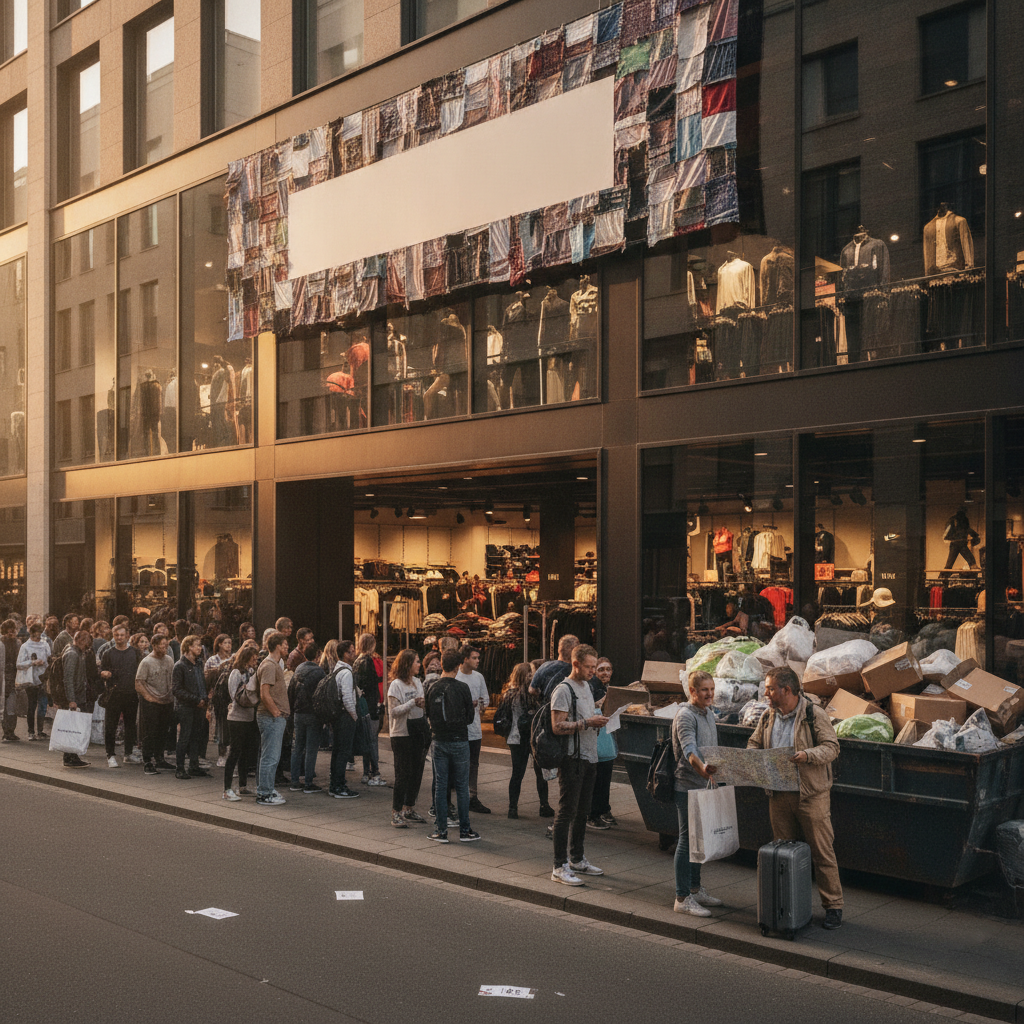
Retail sales events at major athletic wear brands rarely appear out of nowhere — they follow rhythms tied to internal inventory planning, manufacturing lead times, and fiscal quarter targets that repeat with remarkable consistency year after year. Once you understand how those cycles work, you stop reacting to sales and start anticipating them, which means better size availability, more time to compare options, and the satisfaction of knowing you bought at the right moment rather than the convenient one.
Understand How Athletic Brands Plan Their Inventory Calendars
The Cycle Starts Long Before Clothes Hit the Floor
Athletic wear brands like Nike, Adidas, and Lululemon typically plan seasonal collections twelve to eighteen months in advance, which means the inventory sitting in their flagship stores right now was ordered well before you saw it on the shelf. When new collections are confirmed and production schedules are locked in, older stock has a defined expiration window — one that the brand's internal merchandising team tracks closely. That pressure to move existing inventory before new product arrives is the engine that drives nearly every major sales event, regardless of what the marketing campaign calls it.
Two Key Seasonal Pressure Points Drive the Biggest Discounts
The industry operates on two primary seasonal shifts — spring-summer and fall-winter — each of which creates a predictable inventory pressure point. For most major athletic brands, the late January through early February window marks the end of holiday stock clearance, while late June through early July signals the tail end of spring inventory before back-to-school and fall product lines take over floor space. These aren't arbitrary timing choices; they're operational necessities. A flagship store can only hold so much product, and incoming shipments don't wait for old stock to sell through at full price.
Read the Brand's Fiscal Calendar, Not Just Its Marketing
Quarterly Earnings Cycles Create Sales Urgency
Publicly traded athletic brands like Nike and Under Armour close their fiscal quarters on predictable schedules, and sales events frequently cluster in the weeks leading up to those closings. When a brand needs to report stronger revenue numbers, markdowns on slow-moving inventory can accelerate sell-through and contribute to quarterly totals. You don't need to study earnings reports to benefit from this — you just need to note that sales tend to appear with more frequency in late March, late June, late September, and late December, roughly aligned with quarter-end pressure. Watching for these patterns across two or three years makes the timing feel almost mechanical.
Flagship Stores Often Lead the Discount Window
Brand-owned flagship stores, particularly in high-traffic urban locations, tend to initiate markdowns before the same discounts appear at third-party retailers or outlet locations. This happens because flagship stores operate on tighter inventory management systems and have direct access to corporate sell-through data. If a running shoe colorway isn't moving in the flagship's New York or Los Angeles location, the markdown decision comes faster than it would at a wholesale partner like Dick's Sporting Goods. Paying attention to what's being promoted at flagship locations — versus what's being featured on the brand's main website — can signal where pricing pressure is building.
Use Digital Tools to Track Signals Before Sales Go Live
Price Alert Apps Catch Early Markdowns Automatically
Setting up price tracking through tools like Honey, CamelCamelCamel (useful for athletic gear sold through Amazon), or Google Shopping alerts lets you catch the first wave of a sale before it's promoted heavily. Many brands quietly apply initial markdowns to test sell-through before widening a sale event, and those early-stage discounts often coincide with better size runs since fewer shoppers have noticed the price change yet. Apps like Honey also track price history, so you can see whether a current sale price is genuinely lower than the recent baseline or just dressed up as a deal. That context matters more than the percentage-off label.
Follow Inventory Signals on Brand Apps and Member Accounts
Brands like Nike and Lululemon have invested heavily in their own shopping apps and member programs, and these platforms often telegraph upcoming sales through early-access windows, push notifications, and member-exclusive preview periods. Creating a free account on these apps costs nothing, but it frequently delivers access to sale pricing a day or two before it's publicly announced. Watching how the app's featured section shifts in the weeks before a known inventory pressure point — like late June or early February — can give you a quiet heads-up that a broader sale event is being staged. The app's behavior changes before the promotional emails arrive.
Time Your Shopping Around Incoming Collection Launches
New Collection Drops Are Your Best Indicator of What Goes on Sale
Athletic brands announce new collection launches through press coverage, influencer seeding, and social media campaigns, and those announcements are your clearest signal that existing inventory is about to get discounted. When Nike announces a new running line or Adidas drops a major seasonal update, the product it's replacing doesn't disappear — it gets repositioned at a lower price point to clear space. Watching brand social accounts and subscribing to style newsletters in the weeks before a known launch season gives you a two-to-four week window to anticipate markdowns on current-season gear that's about to become last season's inventory.
End-of-Season Sizing Gaps Tell You Where Demand Has Already Peaked
One reliable on-the-ground signal that a sale is approaching is a notable change in size availability on the brand's website or in-store displays. When popular sizes in a core product start disappearing without restock, it often means the brand has stopped reordering that item and is allowing existing stock to sell down. Gaps in medium and large sizes — the most commonly purchased — typically appear two to four weeks before a formal markdown event begins. Checking in on a wishlist item weekly during the late-season window can help you catch that pattern and position yourself to act quickly when the price drops.
Build a Pre-Sale Routine That Keeps You Ahead of the Crowd
The most effective shoppers at athletic flagship sales aren't the ones who react fastest to an email — they're the ones who've already done the work before the email arrives. Building a simple routine around monitoring price alert apps like Honey, checking brand apps for member-preview shifts, and tracking collection launch announcements on social channels turns what feels like unpredictable retail timing into a readable pattern. Athletic wear inventory cycles follow the same internal logic year after year, shaped by manufacturing calendars, fiscal quarter pressure, and the hard constraints of floor space. When you understand those forces, you're not waiting for a sale to start — you're already ready when it does.
More Trending Articles

What First-Time Visitors to Faroe Islands Consistently Underestimate About Weather Windows, Permit Requirements, and Getting Between Islands Without a Rental Car
Robert Kim
10/04/2026