How Flash Sale Platforms for Travel Gear Use Scarcity Signals to Accelerate Purchases and When the Urgency Is Actually Justified
Jennifer Walsh
08/12/2026
5 min read
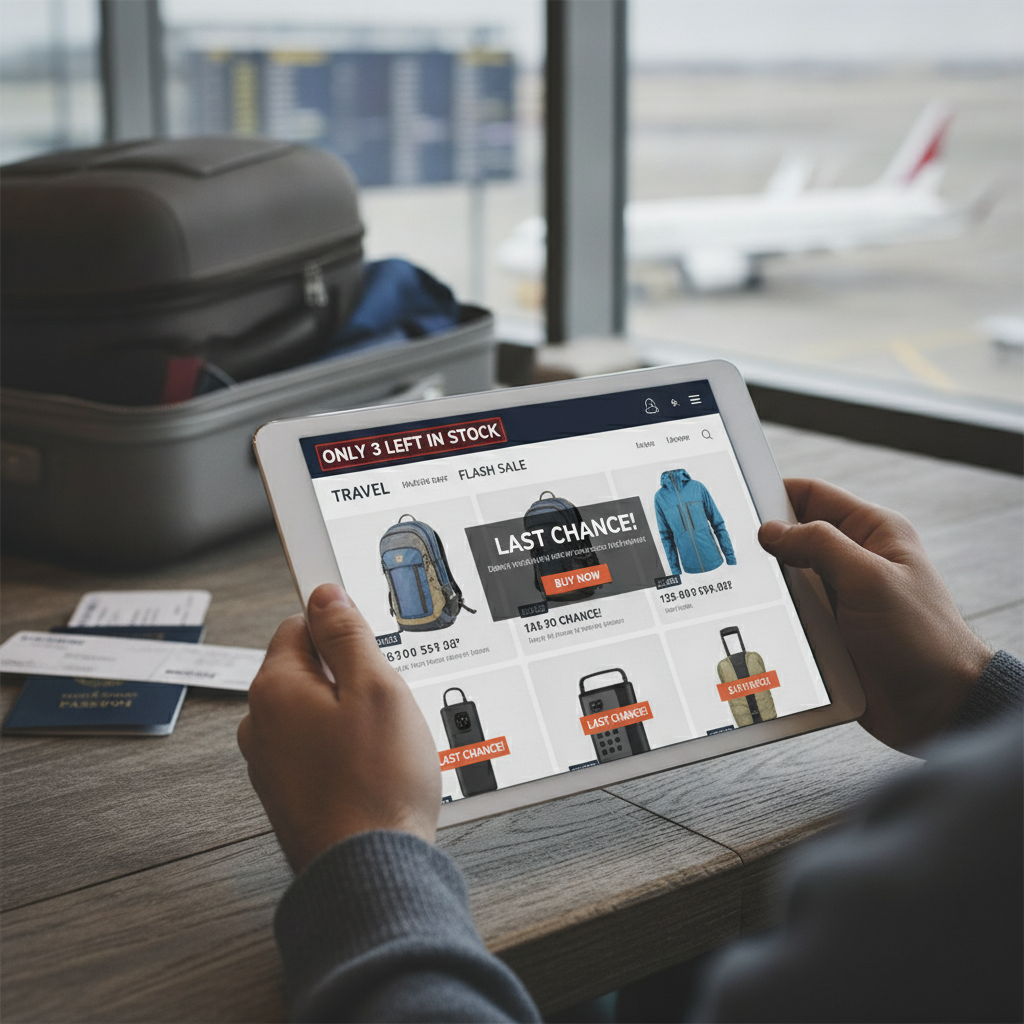
Flash sale platforms have turned scarcity into a science, and travel gear shoppers are right in the crosshairs. If you've ever felt your pulse quicken watching a countdown timer tick toward zero on a hiking pack or a packable rain jacket, you already know how effective these tactics are. The question isn't whether urgency signals work on you — they work on everyone. The real question is when that urgency actually reflects reality, and when it's just a well-designed illusion designed to make you click before you think.
Platforms like GearTrade, Steep & Cheap, and REI's flash sale section have built loyal followings precisely because they do offer genuine deals — but they also rely heavily on psychological pressure to move inventory fast. Understanding how those mechanics work puts you in a much stronger position to shop without regret.
Recognize the Standard Scarcity Playbook
Most flash sale platforms use a consistent set of signals: countdown timers, low-stock indicators, and "X people viewing this now" banners. These aren't random design choices — they're tested conversion tools borrowed from e-commerce psychology research. When you see "Only 3 left," your brain treats the item as more valuable than it did ten seconds ago. That response is automatic, which is exactly why knowing it exists helps you slow down before acting on it. Pausing for even thirty seconds can interrupt the reflex.
Check Whether the "Original Price" Is Real
One of the easiest ways flash sale platforms manufacture a sense of urgency is by displaying a dramatically marked-up original price next to a slashed sale price. The gap looks impressive, but if the item was rarely or never sold at that original price, the discount is partly fictional. Before committing to any deal on a platform like Backcountry or GearBuyer, spend two minutes checking the same item on Google Shopping or CamelCamelCamel if it's also sold on Amazon. If the "regular" price holds up across multiple retailers, the deal is probably real. If it doesn't, you're looking at anchoring, not savings.
Countdown Timers Are Real — But Not Always Meaningful
A countdown timer absolutely indicates that the sale price will expire. That part is true. What it doesn't tell you is whether the price will actually return to its original level afterward, or whether a similar deal will appear again within a few weeks. Flash sale platforms rotate inventory constantly, and many items cycle back through promotions regularly. If the timer creates anxiety around a non-perishable piece of gear — a travel neck pillow, a packing cube set, a basic headlamp — remind yourself that another sale window will likely appear before your next trip.
Low Stock Warnings Deserve More Scrutiny
Low-stock alerts are legitimately useful for size-specific items like footwear or technical outerwear. If you wear a men's size 13 trail runner or a women's XS base layer, scarcity is real because inventory at the extremes genuinely runs out first. For one-size or adjustable gear — travel adapters, compression bags, sleep masks — the urgency is far less pressing. Steep & Cheap, for example, often shows low stock on size extremes while the middle sizes sit comfortably in stock. Pay attention to whether the warning applies to your specific size or configuration, not just the product in general.
When the Urgency Is Completely Justified
Some flash sale situations are genuinely time-sensitive and worth moving quickly on. End-of-season gear clearances are the most reliable of these — when a retailer like REI or Moosejaw clears winter or summer inventory, the discounts are steep and the stock does disappear permanently. Limited collaboration products, discontinued colorways, and prior-season technical gear that won't be restocked are also cases where hesitation costs you the item for good. If you've been watching a specific product, know your size, and the price is verifiably lower than anywhere else, acting fast is the smart call.
Set a Pre-Trip Gear List Before You Browse
The most effective defense against manufactured urgency is arriving at a flash sale with a specific shopping list rather than browsing open-endedly. When you already know you need a 40L carry-on-compliant daypack in a specific color family, you can evaluate the deal on its merits instead of getting swept up in the excitement of a rotating sale page. Browsing GearTrade or Backcountry without a list is essentially letting the platform decide what you need, which is a reliable path to impulse spending on gear you'll never use.
Use Wishlist and Alert Tools to Flip the Dynamic
Most shoppers react to flash sales. The smarter move is to set the terms in advance. Tools like Google Shopping alerts, the Honey browser extension, or built-in wishlist notifications on REI and Backcountry let you track specific items and get notified when the price drops — rather than stumbling onto a deal and feeling pressured by a timer someone else set. This flips the dynamic completely: you're no longer reacting to urgency, you're responding to an alert you requested on your own timeline.
Give Yourself a Minimum Decision Window
For any purchase over a certain threshold, build in a minimum pause before you check out, even if the timer says you have fifteen minutes left. For lower-cost accessories, a five-minute pause is enough to break the reflex. For bigger gear purchases — a quality travel camera bag, a high-end trekking pole set — a twenty-four-hour window is worth the risk of losing the deal. More often than not, the deal either extends, recurs, or gets matched elsewhere. The purchases you'll regret are almost never the ones you waited on.
Flash sale platforms aren't the enemy — they're a legitimate way to score quality travel gear at prices that genuinely reward timing. The trick is separating the real urgency from the manufactured kind, and that skill gets sharper every time you pause long enough to ask the question. Start with your next browsing session: pick one signal, examine it critically, and see what you find. That one habit pays for itself faster than almost any coupon code.
More Trending Articles

What First-Time Visitors to Faroe Islands Consistently Underestimate About Weather Windows, Permit Requirements, and Getting Between Islands Without a Rental Car
Robert Kim
10/04/2026