How Visiting Lesser-Known Portuguese Coastal Towns Off the Algarve Circuit Compares to the Main Resort Strip in Cost and Atmosphere
Marcus Chen
08/11/2026
5 min read
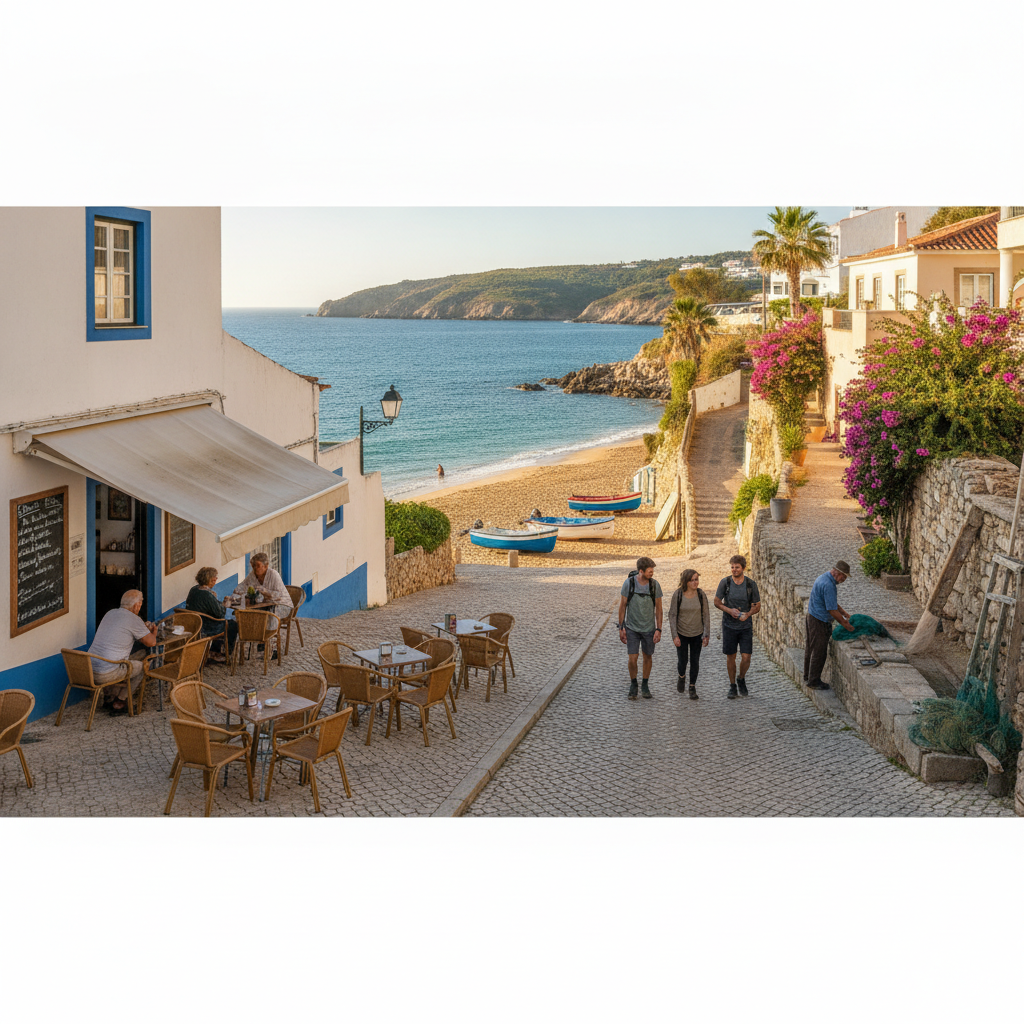
Portugal's southern coast has long drawn travelers with a particular promise — warmth, seafood, and a sunlight that seems to arrive at a slightly different angle than anywhere else in Europe. Most follow the same well-worn path: Albufeira, Vilamoura, Lagos, perhaps a day trip to the sea caves at Ponta da Piedade before heading back to a poolside sun lounger. That path is well-worn for good reason. The Algarve resort strip delivers reliably. But the travelers who step off it — even by twenty or thirty kilometers — tend to come back with a different kind of story. Not better necessarily, but more textured, more surprising, and almost always cheaper.
The Character of the Coast Beyond the Circuit
The Algarve's main resort corridor runs roughly between Faro in the east and Sagres in the west, with the densest concentration of tourism infrastructure clustered around the central stretch. Towns like Albufeira and Vilamoura have evolved, over decades, into polished hospitality machines. The hotels are good, the restaurants cater to every palate, and the beaches are managed with a precision that removes most friction from the experience. What they've traded for that reliability is a certain roughness — the unpredictable, slightly inconvenient quality that makes a place feel inhabited rather than staged. The lesser-known towns along the same coast haven't made that trade. Places like Tavira, Silves, and Odeceixe carry the marks of actual Portuguese life: fishermen unloading catches before noon, tascas — small family-run taverns — with hand-written menus and no English translations, town squares where the primary activity is sitting down and not doing very much at all.
Tavira, in the eastern Algarve, is perhaps the most architecturally distinguished of these overlooked towns. Its Roman bridge, baroque churches, and grid of whitewashed streets feel genuinely historical rather than curated for tourism. Odeceixe, straddling the border between the Algarve and the Alentejo coast, sits at the edge of the protected Vicentina coast — a designation that limits development and preserves the scrubland and dramatic clifftop walking paths that once defined the entire region. Silves, set inland along the Arade River, carries the weight of its Moorish past visibly: the castelo — the medieval castle — still dominates the skyline in a way that no resort town can replicate. These are not undiscovered places. But they remain, in meaningful ways, undervisited.
What the Cost Difference Actually Looks Like
Spending a week in a lesser-known Portuguese coastal town versus an equivalent week on the main Algarve resort strip produces a noticeable gap in daily costs, and that gap compounds across accommodation, food, and activity. On the resort strip, accommodation prices during summer peak weeks reflect demand from a large, international visitor base. A mid-range hotel room in Albufeira or Vilamoura during July can cost considerably more than a comparable or even superior room in Tavira or Ferragudo — a small riverside town near Portimão that most visitors drive past without stopping. In Tavira, guesthouses and smaller boutique properties offer genuinely charming rooms at prices that the resort strip hasn't seen in years.
Food costs follow a similar pattern. The resort strip has restaurants calibrated to tourist expectations and tourist budgets — meaning prices that reflect location rather than the actual cost of a grilled fish. In a tasca in Silves or a harbor-side café in Cacela Velha, a full lunch of peixe grelhado — grilled fish — with potatoes, salad, and a glass of local wine can cost a fraction of what the same category of meal runs in Albufeira. The Portuguese concept of petiscos — small sharing plates similar to tapas — also appears more authentically and affordably in towns where the kitchen isn't serving four hundred covers a night. This isn't about finding budget corners to cut. It's that the underlying pricing structure of these towns hasn't inflated at the same rate.
Atmosphere and the Pace of the Place
The distinction in atmosphere between the two experiences is harder to quantify but easier to feel. The resort strip is energized — sometimes pleasantly, sometimes exhaustingly — by a constant churn of arrivals and departures. Pools fill and empty. Beach clubs cycle through music programs. The nightlife in Albufeira's old town runs late and loudly. For travelers who want that energy, the strip delivers it without apology. But the quieter coastal towns operate on what might be called sossego — a Portuguese word that translates loosely as tranquility or quietude, but carries a more deliberate cultural weight. It isn't just the absence of noise. It's the presence of unhurried time, of afternoons that stretch without agenda, of interactions with locals who haven't learned to treat visitors as transactions.
In Cacela Velha, a hilltop village above a protected lagoon in the eastern Algarve, the afternoon light falls over a small square with a church, a café, and almost nothing else. The beach below requires a short boat crossing and holds no facilities. That absence is the point. Odeceixe's beach sits at the mouth of a river valley, sheltered on three sides, with a quality of stillness in the early morning that the resort strip simply cannot offer at any price point. These are places where the atmosphere emerges from the landscape and the community rather than from investment in tourism infrastructure.
Planning a Route That Includes Both
For travelers who want to experience the contrast directly, a mixed itinerary works well — spending the first or last few days on the resort strip for ease of logistics and airport proximity, then moving along the coast into quieter territory. Faro Airport connects to the eastern Algarve towns like Tavira within forty minutes by regional train, one of the most convenient and affordable rail links in the region. Renting a small car opens up access to villages like Alcoutim, on the Spanish border, or the Vicentina coast towns that no bus schedule reaches efficiently. The key planning shift is simply allowing for less structure: fewer advance reservations, more flexibility, and a willingness to eat wherever a hand-written specials board appears in a doorway.
The Algarve's main resort strip will always have its logic — it's accessible, polished, and genuinely enjoyable. But the coast beyond it offers something the strip stopped being able to provide a long time ago: the sense that the place exists for reasons other than the visit itself. For travelers who came to Portugal partly because of what Portugal is rather than what it can arrange for them, that difference turns out to matter quite a lot.
More Trending Articles
What First-Time Visitors to Faroe Islands Consistently Underestimate About Weather Windows, Permit Requirements, and Getting Between Islands Without a Rental Car
Robert Kim
10/04/2026