What Long-Term Housesitting in Southern Europe Actually Requires Beyond the Free Accommodation
Marcus Chen
08/07/2026
5 min read
Free accommodation has a seductive ring to it, especially when the setting is a stone farmhouse in rural Umbria or a whitewashed villa on the outskirts of Seville. The idea of living rent-free for weeks or months in some of the world's most culturally layered regions draws a growing number of travelers toward housesitting platforms like TrustedHousesitters and Nomador each year. But what tends to get lost between the dreamy listing photos and the confirmed booking is the full weight of what the arrangement genuinely demands — practically, temperamentally, and socially. Long-term housesitting in Southern Europe isn't a loophole or a travel hack in the conventional sense. It's a particular way of inhabiting a place, one that suits some travelers exceptionally well and leaves others quietly frustrated within the first fortnight.
What Does a Housesitter Actually Agree to Take On?
At its core, a housesitting arrangement is a trade: free accommodation in exchange for the responsible care of a property and, most commonly, the owners' pets. In Southern Europe, where pet ownership rates are high and owners travel more freely than a decade ago, this typically means daily walks, feeding schedules, veterinary awareness, and the kind of attentive presence that a boarding facility simply can't replicate. Beyond animal care, the housesitter is expected to manage the property as a trusted custodian — watering gardens in the Algarve's dry summer heat, managing pool chemistry in a Provençal rental, or knowing which neighbor to contact if the water pressure drops in a Sicilian countryside home. These are not incidental tasks. They are the substance of the agreement, and underestimating their regularity is one of the most common mistakes first-time housesitters make.
How Does the Lifestyle Differ from Standard Slow Travel?
Slow travel — the practice of spending weeks rather than days in a destination — shares some surface similarities with housesitting, but the two arrangements create meaningfully different daily rhythms. A slow traveler staying in a rented apartment in Lisbon's Mouraria neighborhood retains full autonomy: they leave when they want, adjust plans without consequence, and carry no obligation to any particular schedule. A housesitter in the same city, by contrast, structures their day around the needs of the home and its animals. Spontaneous overnight trips to the Alentejo become logistical puzzles. Extended evenings out require advance arrangements. The freedom that Southern Europe seems to promise — long, unstructured afternoons, impromptu coastal drives — becomes conditional in ways that aren't immediately obvious from reading a platform listing. This isn't a criticism of the model; it's simply a distinction that matters enormously when assessing whether the lifestyle fits.
What the Cultural Context of Southern Europe Adds to the Equation
Southern European domestic life operates within a set of social and temporal norms that can feel both welcoming and disorienting to outsiders. The concept of sobremesa — the Spanish term for the unhurried time spent at the table after a meal, simply talking — reflects a broader cultural relationship with time that permeates how neighbors interact, how errands get done, and how trust is established in a community. A housesitter who arrives in a small Andalusian village with a productivity-driven mindset may find the pace unsettling at first. Local shopkeepers close for long midday breaks. Appointments run loosely. The dolce far niente philosophy — an Italian expression roughly translating to the sweetness of doing nothing — isn't laziness; it's a cultural orientation that rewards those who can genuinely slow down. Housesitters who absorb rather than resist this rhythm tend to report far richer experiences.
Property owners in these regions often have longstanding relationships with their neighbors and local tradespeople, and they typically expect their housesitter to maintain those relationships with basic courtesy and cultural sensitivity. Knowing how to greet a landlord's elderly neighbor in rudimentary Portuguese, or understanding that the weekly market in a Maltese village is a social institution rather than just a shopping option, signals a level of cultural engagement that homeowners genuinely value. Language barriers are real and should not be underestimated — even basic conversational ability in the local language transforms daily interactions and reduces the friction that can otherwise accumulate over a long stay.
Which Traveler Profiles Are Genuinely Well-Suited to This Model?
The housesitting model aligns most naturally with a specific cluster of traveler types rather than a broad demographic. Remote workers with flexible schedules and self-directed workflows tend to thrive, particularly those whose productivity doesn't depend on external structure. Retired couples or solo travelers in their fifties and sixties — often the demographic that homeowners explicitly request — find that the arrangement suits both their pace of travel and their genuine enjoyment of domestic routines. Writers, researchers, and artists who seek immersion over itinerary also report strong satisfaction, largely because a long-term housesit forces a depth of local experience that no amount of tourist infrastructure can manufacture. Conversely, travelers who define a successful trip by the number of cities visited, or who find comfort in hotel amenities and concierge services, will likely find the constraints more chafing than liberating.
The psychological requirements are worth naming honestly. Comfort with solitude matters, especially for sits in rural Tuscany or the Portuguese interior, where the nearest town might be a twenty-minute drive and evenings are genuinely quiet. Adaptability is non-negotiable — plumbing fails, animals get sick, owners extend their trips unexpectedly. And a certain temperament around domestic responsibility is essential: the ability to care about a stranger's home as if it were one's own, without the emotional investment of ownership. These aren't personality flaws or virtues; they're simply traits that determine fit.
For those who carry these qualities naturally, long-term housesitting in Southern Europe offers something that almost no other travel model can replicate: the experience of genuinely living in a place rather than visiting it. The rhythm of a Portuguese market town, the particular quality of afternoon light in the Spanish interior, the sound of cicadas in a Greek olive grove at dusk — these aren't observations made from a tourist's vantage point. They become the unremarkable texture of daily life, which is perhaps the most honest form of travel there is. The stone farmhouse and the whitewashed villa are still there, still beautiful. But what fills them, over weeks and months, turns out to be far more interesting than the listing ever suggested.
More Trending Articles
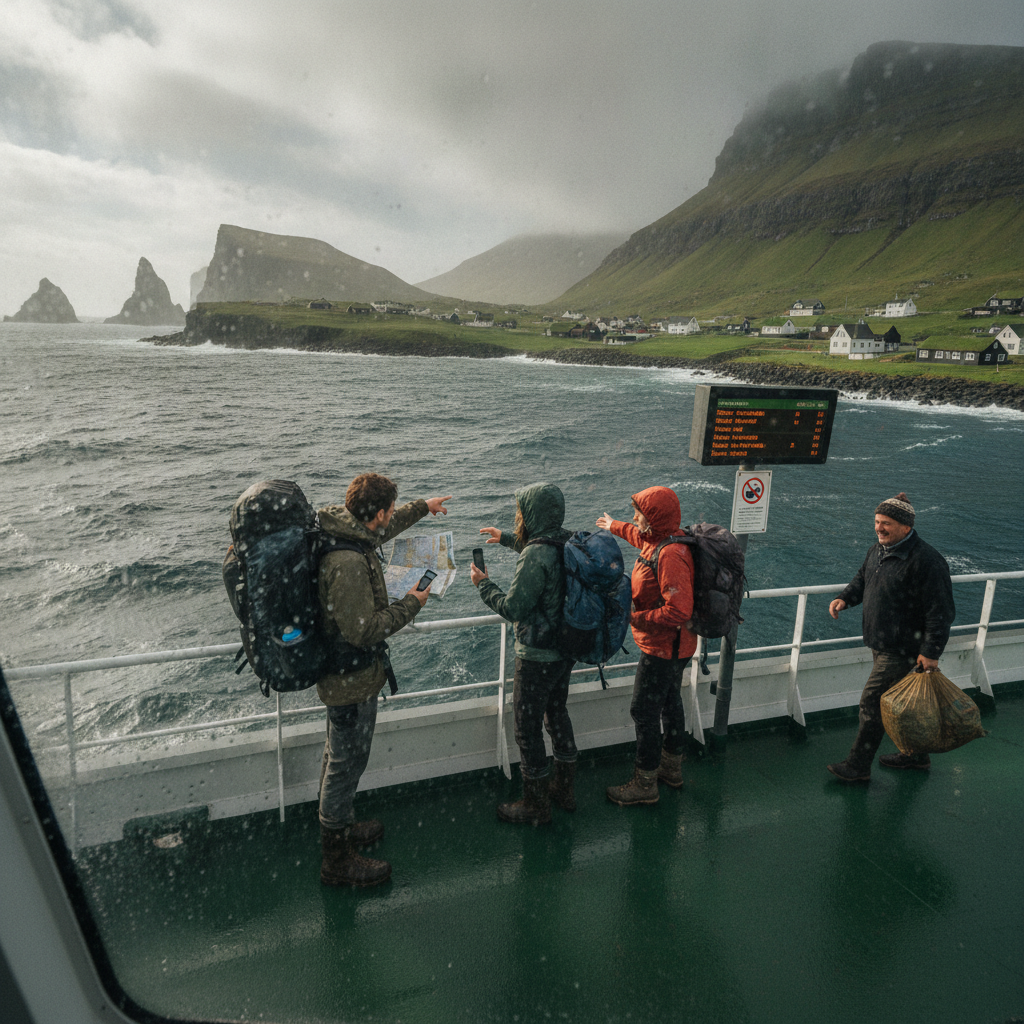
What First-Time Visitors to Faroe Islands Consistently Underestimate About Weather Windows, Permit Requirements, and Getting Between Islands Without a Rental Car
Robert Kim
10/04/2026