How Price Anchoring in Electronics Retail Displays Influences Perceived Value and What to Check Before You Accept the Comparison
Jennifer Walsh
08/09/2026
4 min read
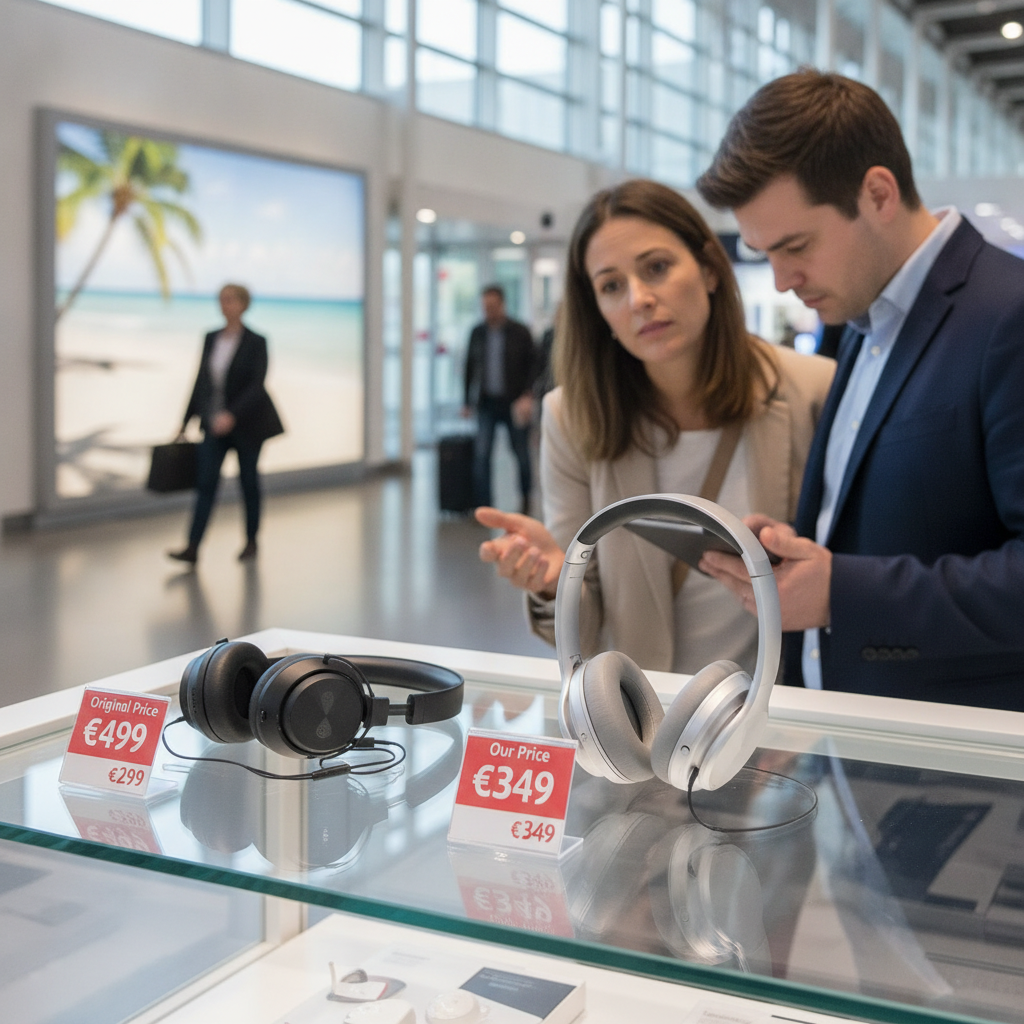
Retail pricing is rarely as straightforward as it appears on the shelf. Electronics stores—whether physical locations like Best Buy or online platforms like Amazon and B&H Photo—are carefully engineered environments where numbers are arranged to shape perception before a shopper even picks up a product. Price anchoring, the practice of placing a higher reference price next to the current selling price, is one of the most consistently effective tools in modern retail. Understanding how it works, and what to verify before accepting the comparison at face value, can mean the difference between a genuine deal and an expensive illusion.
The Psychology Behind the Reference Price
Price anchoring exploits a well-documented tendency in human decision-making: people evaluate value relationally, not absolutely. When a television is displayed at $899 with a crossed-out $1,299 beside it, the brain immediately registers savings rather than cost. The higher number becomes the mental benchmark, and everything is measured against it. Electronics retailers have refined this approach over decades, knowing that the anchor price doesn't need to represent a real market value—it simply needs to be present and plausible. The larger the gap between anchor and sale price, the stronger the pull toward purchase.
Where Anchor Prices Actually Come From
Not every crossed-out price reflects what a product actually sold for at retail. In electronics, manufacturers often set a Manufacturer's Suggested Retail Price (MSRP) that may never have been the standard selling price in any store. A product might launch at a negotiated retail rate well below its MSRP, yet the display still uses that inflated figure as its anchor. Some retailers also create proprietary bundles or exclusive SKUs—common with brands like Sony or Samsung—that make direct price comparisons across stores structurally difficult. The anchor, in these cases, exists primarily to frame perception rather than reflect historical pricing reality.
How Display Positioning Amplifies the Effect
Physical store layouts and digital product pages both use positioning to strengthen anchoring. In brick-and-mortar locations, premium models are typically placed at eye level or near the entrance, establishing a high anchor before shoppers reach mid-range options. Online, a "compare to similar items" module or a "frequently bought together" section often places higher-priced alternatives beside the featured product. The intent is the same: establish a ceiling, then let the featured item appear favorable by contrast. Even the font size and color of the original versus sale price—the larger, bolder treatment of the discounted number—is a deliberate design decision.
The Model Number Problem in Electronics Comparisons
One of the most reliable tactics electronics retailers use is slight model variation. A television available at Costco may carry a model number that differs by one character from the version sold at a specialty retailer, making a true apples-to-apples price comparison nearly impossible for the average shopper. These minor specification differences—a slightly different panel configuration, different included accessories, or regional firmware—allow retailers to set anchor prices without direct competitive exposure. Shoppers comparing prices across platforms may believe they're evaluating the same product when the technical specifications quietly diverge.
What Independent Price History Tools Reveal
Before accepting any anchored comparison, checking the actual price history of a specific product provides meaningful context. Tools like CamelCamelCamel for Amazon listings track sale price fluctuations over time, revealing whether a current "discount" represents a genuine reduction or simply a return to the standard retail rate after a brief price increase. Google Shopping's price history feature offers similar visibility across multiple retailers. These tools regularly show that many electronics items cycle between two or three price points throughout the year, with the higher figure used as the anchor during promotional windows. The discount may be real—but its timing and depth deserve scrutiny.
Before You Accept the Comparison, Check These Things
There are several concrete steps worth taking before any anchored electronics price influences your decision. First, locate the exact model number and search it independently across at least three separate retail platforms to establish a realistic market rate. Second, use a price history tool to determine whether the anchor price reflects actual past pricing or simply a manufacturer's suggested figure. Third, check whether the bundled accessories or warranty terms affecting the displayed price match what you actually need—retailers sometimes inflate anchor comparisons by including accessories in the baseline price that you'd never purchase separately. Fourth, consider the timing: if a product launched recently, the anchor may reflect a brief introductory price that was never widely available. Fifth, read the fine print on any "was" price disclosure, as some states require retailers to disclose how long a product was sold at the reference price before a markdown is permitted.
As retail technology grows more sophisticated, price anchoring is migrating into personalized territory. Dynamic pricing algorithms—already active on platforms like Amazon—can display different reference prices to different users based on browsing history, device type, and location. The anchor is no longer a static shelf tag; it's becoming a targeted persuasion tool. Shoppers who develop the habit of verifying prices independently, rather than accepting displayed comparisons as benchmarks, are better positioned to make decisions based on actual value rather than engineered perception.
More Trending Articles

What First-Time Visitors to Faroe Islands Consistently Underestimate About Weather Windows, Permit Requirements, and Getting Between Islands Without a Rental Car
Robert Kim
10/04/2026