What the Emerging Slow Food Trail Culture Across Rural Umbria Offers Independent Travelers Who Have Already Done Tuscany
David Park
09/28/2026
6 min read
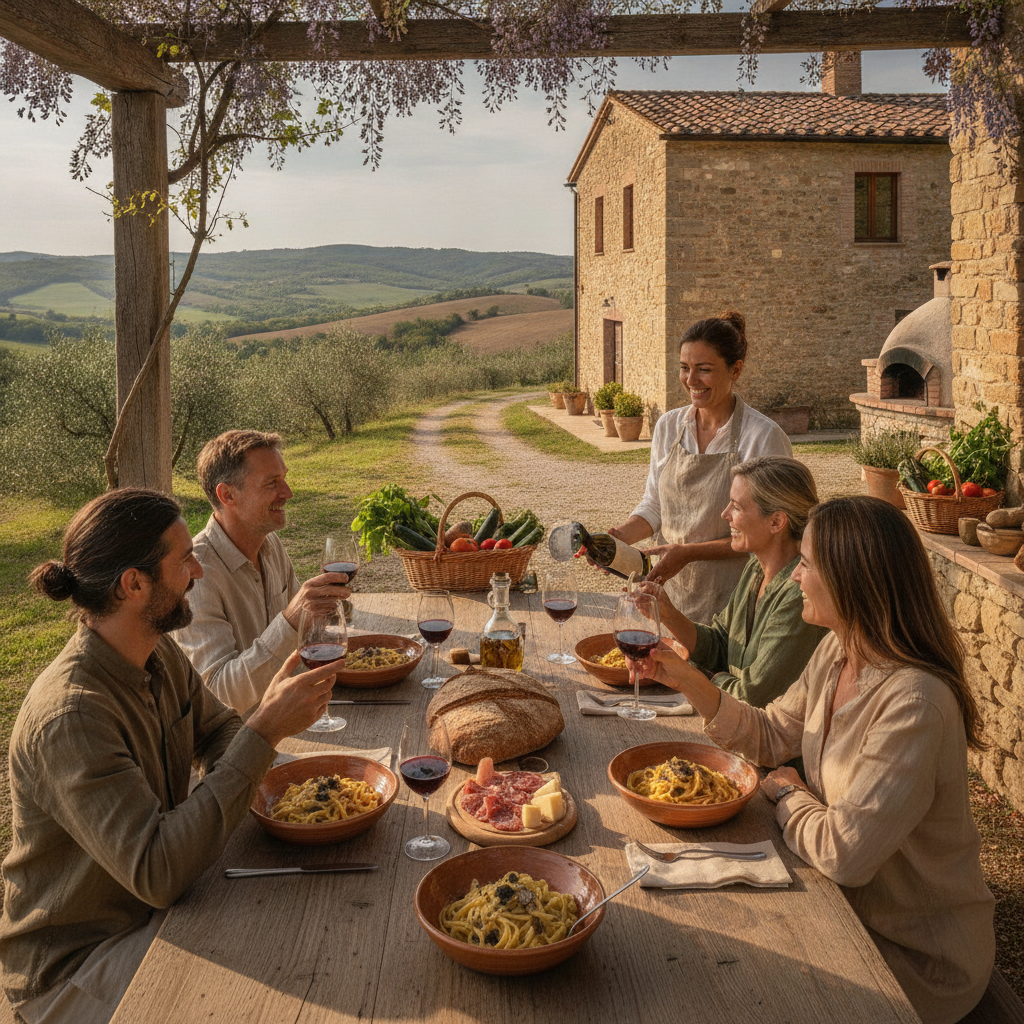
There comes a point in the European travel arc when Tuscany begins to feel less like a discovery and more like a confirmation — the cypress-lined roads, the wine estates with tasting menus priced for luxury tourists, the hill towns that feel, despite their beauty, quietly managed for the gaze of outsiders. For the independent traveler who has already made that circuit and found it rewarding but somehow finished, the obvious next question is where the less composed version of that experience might exist. Rural Umbria has been answering that question quietly for years, and its slow food trail culture — still emerging, still uneven, still genuinely local — offers something that well-worn routes in neighboring Tuscany increasingly cannot.
The Philosophy Behind Slow Food as a Travel Framework
The Slow Food movement, founded in the late 1980s as a direct response to the spread of fast food culture in Italy, has always been about more than eating. At its core, it is an argument for connection — between producer and consumer, between season and plate, between a community and the land it depends on. In Umbria, where the terrain is more rugged and the infrastructure for mass tourism thinner, this philosophy has taken on a particularly grounded character. The region's presidia — the term used within the Slow Food network to describe protected local food products in danger of disappearing — include varieties of lentil from Castelluccio di Norcia, a highland plateau that produces legumes with a flavor and texture that have no real substitute, and the mazzafegato, a cured pork sausage made in Umbrian farmhouses that rarely appears on restaurant menus outside the villages where it is still made.
For the traveler who has eaten their way through Chianti and the Val d'Orcia, these distinctions matter. Umbrian food culture is not a refined version of something familiar — it is a different register entirely, more austere, more tied to altitude and isolation, and far less shaped by the aesthetic expectations of international visitors. The slow food trail culture that is emerging across the region threads together producers, market towns, and agriturismi in a way that rewards the kind of flexible, unhurried travel style that Tuscany now actively resists.
Norcia, Spoleto, and the Towns That Anchor the Trail
The practical geography of slow food travel in Umbria tends to organize itself around a loose cluster of towns, each offering a different window into the region's food identity. Norcia, despite the earthquake damage it absorbed in 2016 and the ongoing reconstruction visible throughout its center, remains the symbolic capital of Umbrian cured meat culture. Its norcinerie — the specialized butcher shops that give the Italian word norcino, meaning pork butcher, its etymology — line the central piazza and sell black truffle products, cured meats, and aged cheeses with an absence of theater that feels almost confrontational after the styled abundance of Tuscan enotecas. Spoleto, further south and more architecturally dramatic, provides a different entry point: its Thursday market draws producers from surrounding valleys, and the town's proximity to the Valnerina river valley makes it a natural base for exploring the quieter farming communities that sit between the two towns.
For travelers using platforms like Agriturismo.it or the Slow Food Italy official network to locate stays and producers, the region rewards advance research. Many of the most interesting producers — a family growing farro, the ancient grain that forms the base of Umbrian soups, outside Monteleone di Spoleto, or a small press producing single-estate olive oil near Trevi — are not findable through general travel search tools. The trail, such as it is, exists partly in local knowledge and partly in the network of farms and cooperatives affiliated with the Slow Food movement's regional chapter.
What Independent Travelers Actually Experience on the Ground
The experience of traveling this circuit as an independent traveler is substantially different from following a curated itinerary, and the difference is not always comfortable. Roads into the higher agricultural zones are narrow and sometimes unmarked. Agriturismo hosts in this part of Umbria tend to speak limited English, which means meals — often the main event of any stay — become genuine cultural exchanges requiring patience and a tolerance for productive misunderstanding. The food itself, when it arrives, is typically simple to the point of severity: a bowl of lenticchie di Castelluccio cooked with local olive oil and herbs, a plate of hand-rolled strangozzi pasta in a truffle sauce made from tubers gathered that morning, a small selection of cured meats with bread that has no salt, following the Umbrian tradition that dates to medieval salt tax disputes.
This simplicity is not a limitation. It is precisely what distinguishes the experience from the elaborated rusticity that Tuscany now packages and sells. The traveler who arrives expecting curated abundance will struggle; the one who arrives ready to engage with what the land actually produces in a given week will find something more durable than a good meal. The slow food trail culture across rural Umbria is still forming — some of the waymarked food routes suggested by local tourism offices are better maintained than others, and the signage connecting one producer to the next occasionally disappears entirely — but this incompleteness is part of what makes the experience feel genuine rather than produced.
Traveling Smarter Through a Region Still Finding Its Form
If you are planning this kind of trip, a few practical realities shape the experience more than any single destination choice. Renting a car remains nearly essential for the agricultural zones between major towns, though the Spoleto-Norcia route is partially accessible by seasonal local bus. Visiting in late autumn — after the summer tourist season but before the winter closures that affect many small agriturismo operations — places you inside the truffle harvest, the olive pressing season, and the lentil harvest on the Castelluccio plateau, a convergence that makes the region's food culture visible in motion rather than preserved in product form. The Umbria Jazz Winter festival in Orvieto, which runs into early January, offers a useful cultural anchor at the end of a longer stay, giving the trip a defined close that pure rural wandering rarely provides on its own.
For the traveler who found Tuscany beautiful but ultimately too polished, rural Umbria offers what the earlier version of that experience must once have felt like — a region where the food, the landscape, and the people who produce both are still primarily oriented toward each other rather than toward the visitor. That reorientation is, in its own way, the most valuable thing the slow food trail culture here has to offer. It returns the traveler to the position of guest rather than consumer, which is, perhaps, exactly the correction that too many managed itineraries have made necessary.
More Trending Articles
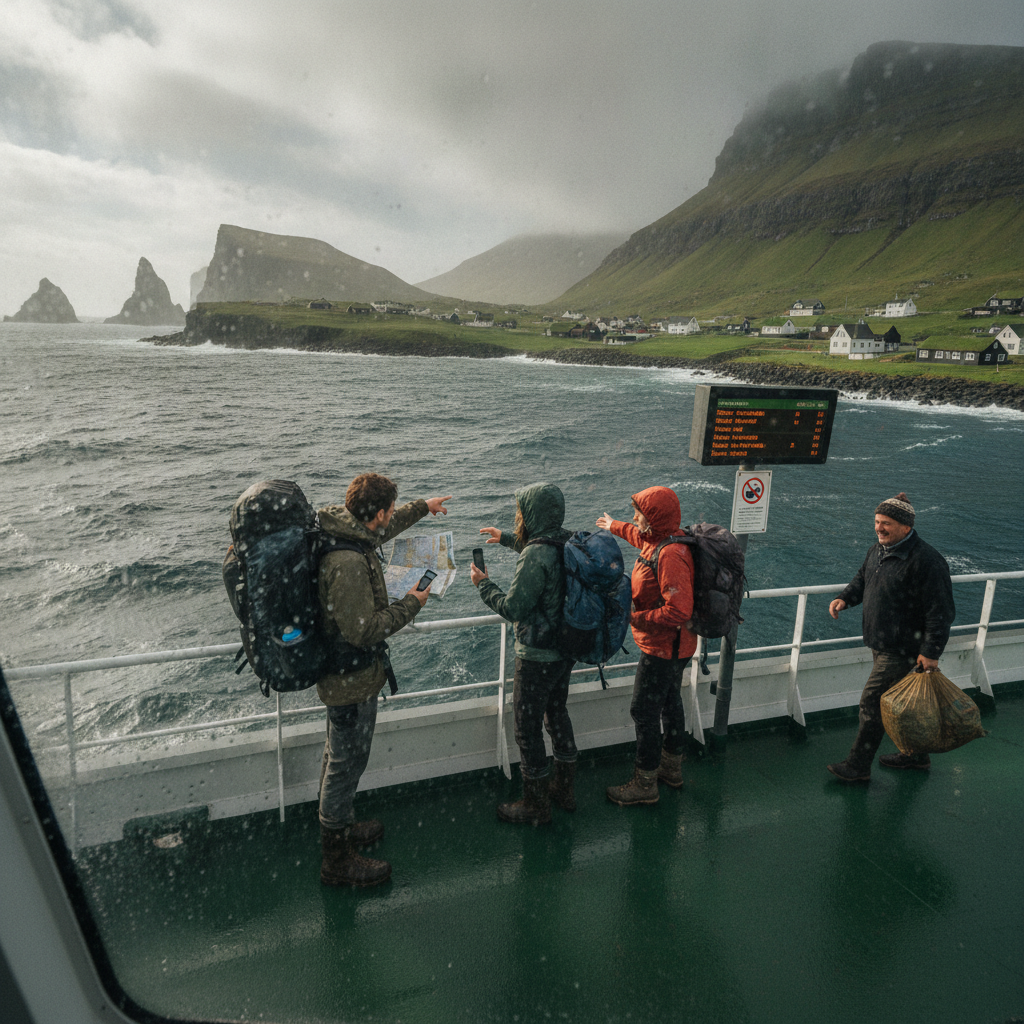
What First-Time Visitors to Faroe Islands Consistently Underestimate About Weather Windows, Permit Requirements, and Getting Between Islands Without a Rental Car
Robert Kim
10/04/2026